
Chicago Neighbors Around One Block
Public sources describe parcels, recorded owners, permits, and civic groups around a Chicago address. They do not produce a verified roster of everyone who lives on the block. Begin with geography, then separate what each record proves. CookViewer establishes which parcels are actually nearby. The Assessor adds property details, while the Clerk and city building systems add documents tied to selected parcels or addresses.
| Source | What It Shows About a Block | Access |
|---|---|---|
| CookViewer current parcels | Parcel outlines, nearby parcels, districts, zoning, and imagery | Free; select a parcel first |
| CookViewer archive | Yearly parcel geometry and boundary history from 2000 | Free archive layer |
| Cook County Assessor | Class, value, characteristics, exemptions, and appeals by address | Free, CAPTCHA-gated |
| Cook Clerk recordings | Transfers, liens, legal descriptions, grantors, and grantees | Free index; document images cost money |
| Chicago building records | Permit, inspection, and code-case activity by address | Free; open data begins in 2006 |
| Illinois voter sources | Status and address confirmation for a supplied person, not a block roster | Restricted by election law |
| Chicago block-club program | How groups organize and register, not member names | Public program FAQ |
An owner's tax mailing address may be off site or belong to a trust. A deed grantee is not always the current occupant. Permit applicants can be contractors, and a civic contact represents an organization rather than every nearby household. Use the sources to understand the block and to find public points of contact, not to label every person at an address.
Map Chicago Neighbors by Parcel
The CookViewer nearby search begins with the exact prompt, “Select a Parcel to Begin Nearby Search.” Find the starting address, select its parcel, and let the viewer return adjacent or nearby lots. If nothing appears, the interface advises increasing the radius or choosing another parcel. The inspected viewer did not expose a fixed numeric radius list, so choose a visible control rather than relying on a claimed distance.
- Locate the exact address or PIN and select the source parcel.
- Run Nearby Search, then inspect the returned parcel outlines and result panel.
- Compare PIN, township, neighborhood, class, size, and property characteristics.
- Open Assessor or Clerk records only for parcels relevant to the question.
- Print or export a map that records the area actually reviewed.
CookViewer also supports measurement, reports, parcel export, imagery, zoning, tax districts, roads, and community-area or ZIP context. Those layers explain a block's setting; they do not add household names. For a full named-street chain rather than the immediate area, use the Chicago street directory workflow.
Note: Save the source PIN and map date because boundaries, parcel splits, and viewer releases can change after the search.
Expand a Chicago Neighbor Search
Compare mode lets a user adjust property size, characteristics, and search radius around the source parcel. This is useful where an alley, rail line, park, large institutional parcel, or irregular lot makes “next door” less obvious than a row of street numbers. Click-adjacent browsing can then move one parcel at a time without turning the task into a full-street census.
The CookViewer parcel archive reaches from 2000 to current. It can show yearly geometry and boundary context that the current layer no longer makes clear. The county announced CookViewer 3.1 in June 2025 with map-performance and experience changes, and the current viewer carried a May 2026 parcel-data release. Record the layer and release used when a boundary matters.
Chicago Block Clubs Connect Neighbors
The City of Chicago block-club FAQ treats neighborhood associations, block clubs, civics, councils, condo associations, homeowner associations, co-ops, area councils, vertical clubs, and walking or garden groups as forms of block clubs. Two or three interested people can start one and register through the Community Safety Coordination Center. Registration helps organize a group; it does not create a public resident-name list.
Review the city's block-club program alongside the captured program page.
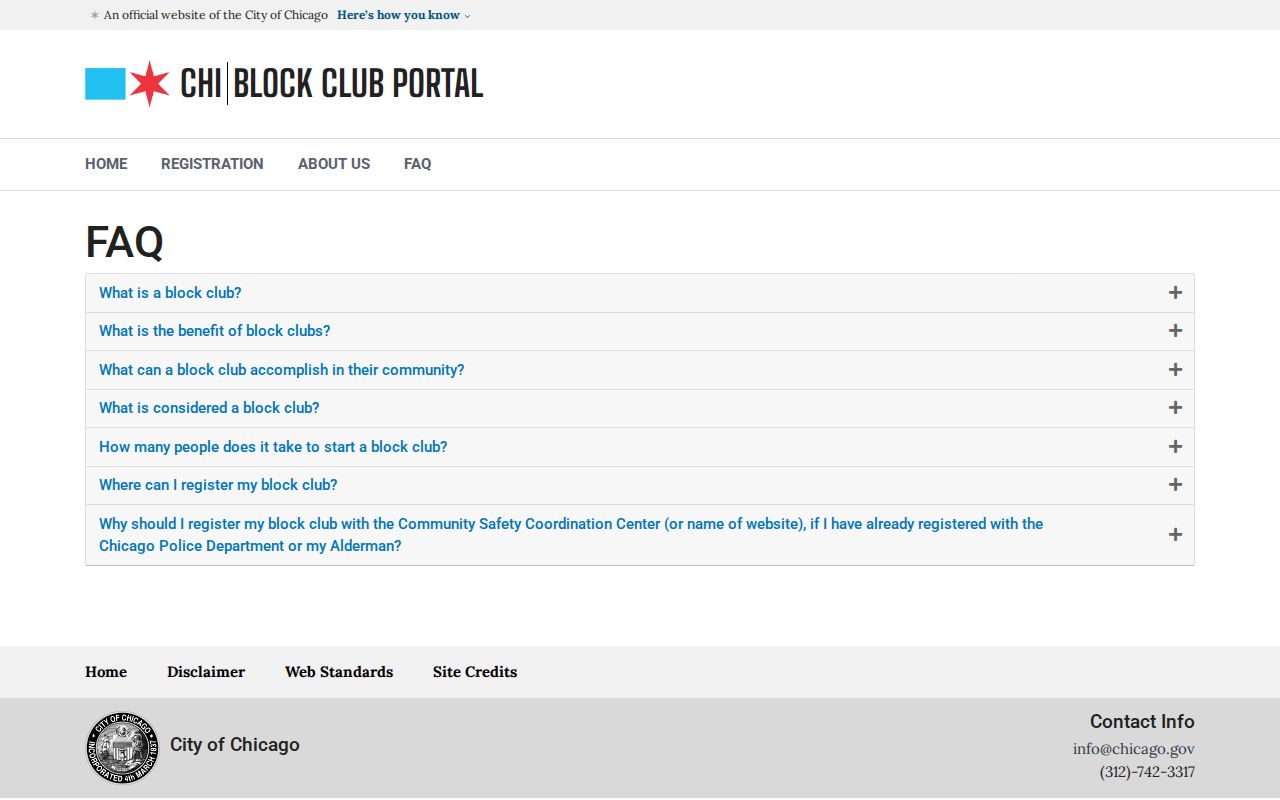
The program image supports the civic-contact route, which is more useful for meeting people than trying to infer a private membership roster from public filings.
Find Chicago Neighborhood Contacts
Ward and chamber inventories supply named, local contact points. They should be read as organization directories, not household rolls. Boundaries and leadership can change, so confirm the current service area with the group before relying on a list.
40th Ward Groups
Lists Andersonville South, Bowmanville, East Andersonville, Winnemac Park Neighbors, and other organizations.
North Center
The association describes events, committees, volunteer roles, and member voting rights without publishing resident names.
Lincoln Park
The chamber links groups in Lincoln Central, Mid-North, Old Town Triangle, Park West, Ranch Triangle, Sheffield, and Wrightwood.
Open the 40th Ward association list to see its names and public links.
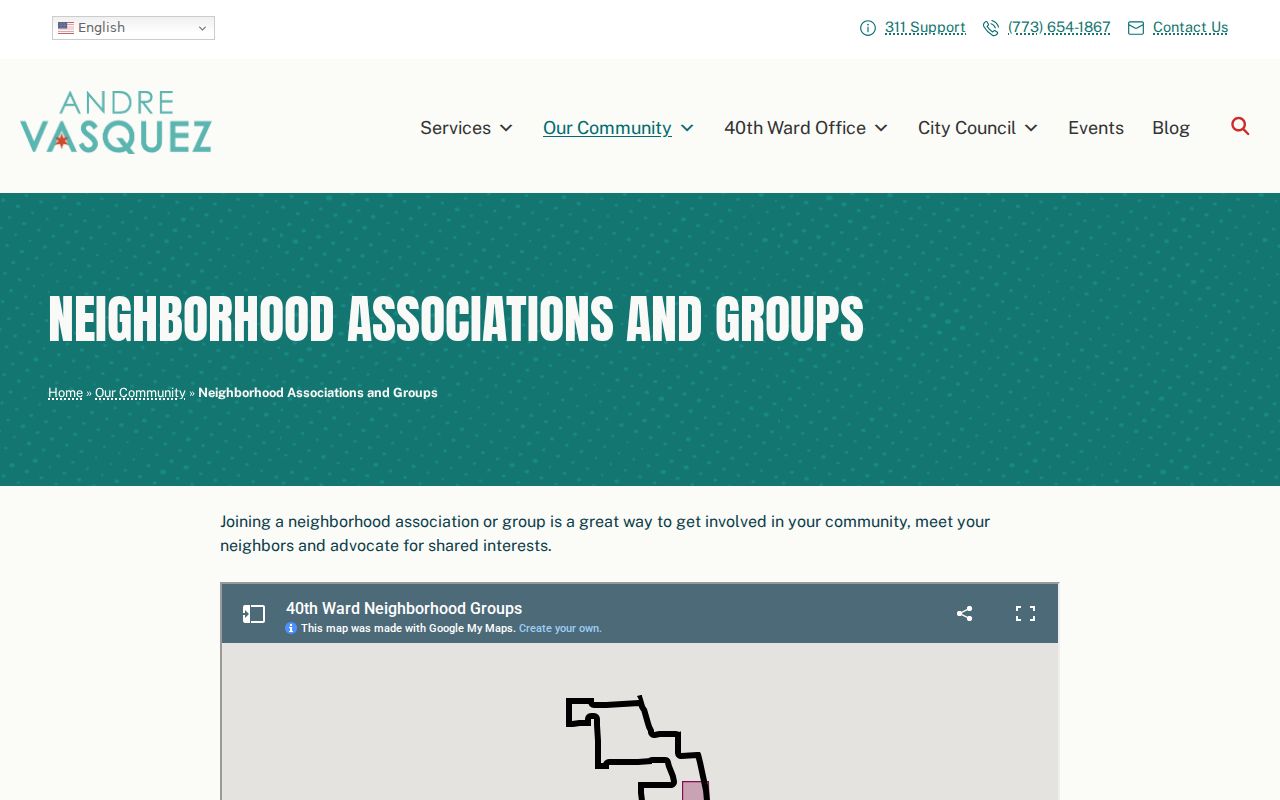
The ward page shows how an elected-office directory can point residents toward groups without exposing a membership roster.
Visit North Center Neighbors Association for its public participation and committee information.
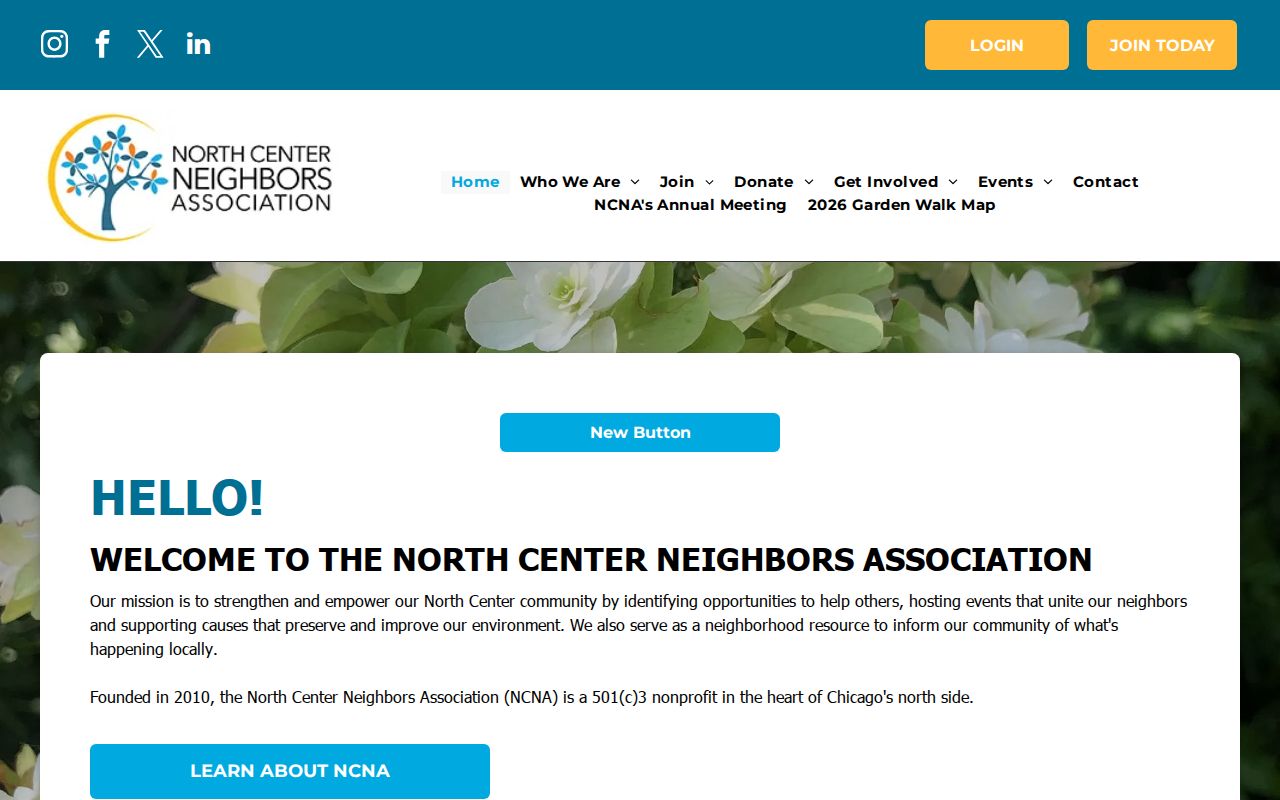
The captured association site illustrates the difference between public civic outreach and private member data.
Browse Lincoln Park's neighborhood association directory for group-level contacts.
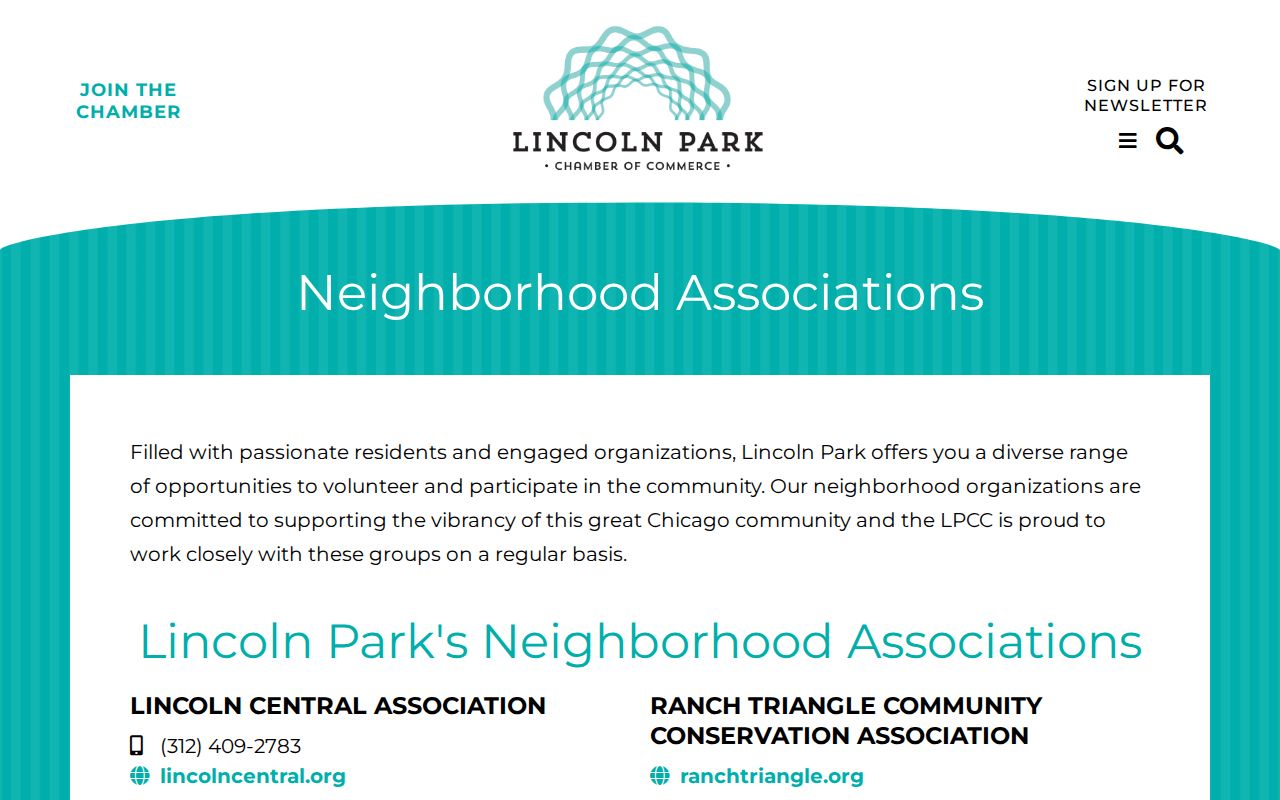
The Lincoln Park image completes the community layer with several organizations rather than a list of individual households.
Chicago Neighbors Are Not a Roster
The Illinois registration lookup asks for a supplied person's first and last name, birth date, five-digit ZIP, then street number and a street name drawn from that ZIP. It is not a button for listing everyone on a Chicago block. Illinois does not use permanent party registration in the usual general-election sense, and the lookup does not reveal anyone's ballot choices.
Election Code provisions allow some registration-card inspection but restrict copying and electronic access. Sensitive fields such as full birth date, phone, Social Security number, signatures, and protected electronic home-address details are redacted or limited. Chicago Board of Election Commissioners FOIA requests must identify the ward, precinct, district, date range, fields, and desired form of access. The agency can still apply exemptions and protected-voter rules.
Note: No public match is not proof that a person is unregistered, because protected status, timing, and data errors can affect access.
Official Chicago Records Beat Profiles
Commercial neighbor tools combine address histories, marketing records, and public filings. Their profiles can be stale, merge people with similar names, and hide source dates. Official records answer narrower questions but identify the custodian and the record date.
| Source type | Useful for | Main limit |
|---|---|---|
| Cook parcel and deed records | Parcel identity, recorded ownership, and documents | Owner does not equal occupant |
| Chicago civic directories | Group contacts, meetings, and public participation | No complete member roster |
| Commercial profiles | Possible leads that need confirmation | Opaque sources, stale data, and merged identities |
Use a dated custodian record when accuracy matters. A commercial profile should never override a parcel card, recording detail, election authority response, or association's own public contact page.
Respect Chicago Neighbor Privacy
GIS does not disclose every household member, renter, visitor, utility customer, or delivery recipient. Driver address data is restricted by federal law. A tax-bill mailing address may belong to an off-site owner or entity. Congregations, clubs, block watches, condo groups, and associations may keep private rosters even when their public contact information is easy to find.
The Illinois Address Confidentiality Program gives qualifying survivors a substitute address for new state and local public records. It does not erase older records, and the Attorney General states that real-property records are not currently confidential under the program, subject to exceptions. Never treat a missing public address as evidence about the person.
Lawful use. Look up Chicago neighbors for civic contact, reconnection, or personal safety awareness. Never use public records to watch, harass, intimidate, or harm anyone.